

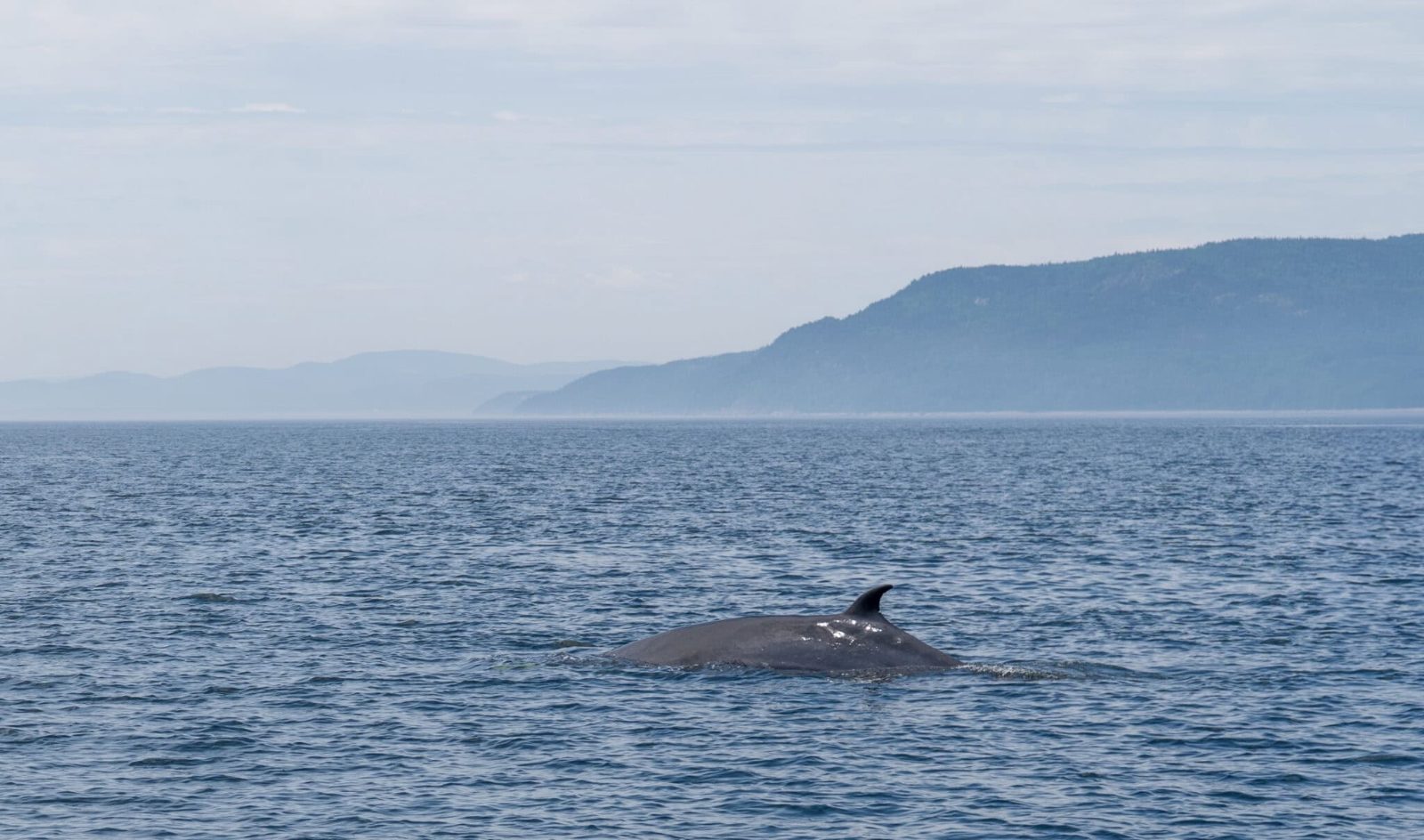
Quick answer
Whale watching from Quebec City requires a 220-kilometer journey to Tadoussac, the closest established departure point on the St. Lawrence River. The drive takes approximately two hours and forty-five minutes via Route 138 East, following the north shore through Baie-Saint-Paul and La Malbaie. Most operators schedule morning and early afternoon departures, so plan to leave Quebec City by 6:00 AM for a 9:00 AM cruise.
Tadoussac sits at the confluence of two of Canada's most significant waterways, a geographic feature that creates one of the world's most reliable whale habitats. The Saguenay River carries cold freshwater into the warmer, saltier St. Lawrence, generating upwellings that pull nutrient-dense water from the deep channel. Krill thrives in these conditions, and where krill concentrates, whales follow. The result is a feeding ground that supports minke whales, belugas, and fin whales throughout the season, with occasional blue whales and humpbacks during peak weeks. The distance from Quebec City to Tadoussac whale watching is not a minor day-trip commitment. At 220 kilometers one way, the journey demands a minimum of five and a half hours on the road when you account for the return leg. Route 138 East is the sole corridor, a two-lane highway that hugs the St. Lawrence coastline through Charlevoix. The road is scenic but not fast—expect frequent towns, reduced speed zones, and summer traffic that can extend drive time by thirty minutes or more. Most visitors leave before sunrise to reach the 9:00 AM departure window, which offers the calmest water and best light for sightings. Tadoussac itself is a village of fewer than nine hundred residents, built around the whale watching economy and the historic Tadoussac Chapel, one of the oldest wooden churches in North America. The main departure point is the marina at 101 Bord-de-l'Eau Street, where multiple operators run Zodiac and traditional cruises daily from May through October. Parking is limited but free, and the village has enough cafés and waterfront benches to occupy early arrivals. Cell service is reliable, but fuel stations are sparse once you leave Baie-Saint-Paul, so fill the tank in Charlevoix. The Quebec City to St. Lawrence whale watching route is straightforward but inflexible—there are no alternate highways, no shortcuts through the interior, and no ferry crossings that save meaningful time. The road itself becomes part of the experience, winding past cliffs, river views, and roadside fruit stands. Budget the full drive time, factor in an hour for the village, and recognize that how far whale watching is from Quebec City is a question answered in commitment as much as kilometers.
“The Saguenay and St. Lawrence converge at Tadoussac, creating upwellings that concentrate krill and draw thirteen species of whales to a single feeding ground.”
How Far Is Whale Watching From Quebec City: Routes and Travel Time
Tadoussac serves as the primary hub for whale watching, located approximately 215 kilometers northeast of Quebec City. The most direct route follows Route 138 East along the northern shore of the St. Lawrence River.
Route 138 East via Saint-Siméon
Intercar service from Quebec City to Tadoussac
Optimal Timing for How Far Is Whale Watching From Quebec City
The best arrival window for whale watching is between 09:00 and 16:00, which provides optimal light and marine conditions. Planning your trip around this window accounts for the travel time required to reach Tadoussac from Quebec City.
Early Season (May–June)
Moderate crowdsCool, 8°C to 15°C. Migratory whales begin arriving as ice clears.
Peak Season (July–August)
High volumeWarm, 16°C to 25°C. Maximum marine mammal activity and sightings.
Late Season (September–October)
Low to moderateCool, 5°C to 18°C. Calm waters and active feeding behavior before departure.
Weekday Mornings
Minimal crowds—, Arriving early ensures ample time for travel and check-in.
Verdict: Plan your arrival between 09:00 and 16:00, preferably during the shoulder months of September or October for stable conditions.
Operating Hours for How Far Is Whale Watching From Quebec City
The whale watching center in Tadoussac operates on a consistent daily schedule throughout the season. Visitors may access the facility from morning until early evening.
| monday | 09:00–18:00 | |
|---|---|---|
| tuesday | 09:00–18:00 | |
| wednesday | 09:00–18:00 | |
| thursday | 09:00–18:00 | |
| friday | 09:00–18:00 | |
| saturday | 09:00–18:00 | |
| sunday | 09:00–18:00 |
Attractions Near How Far Is Whale Watching From Quebec City
Tadoussac offers several points of interest that complement a whale watching excursion. These locations allow visitors to further explore the marine environment and regional history during their stay.
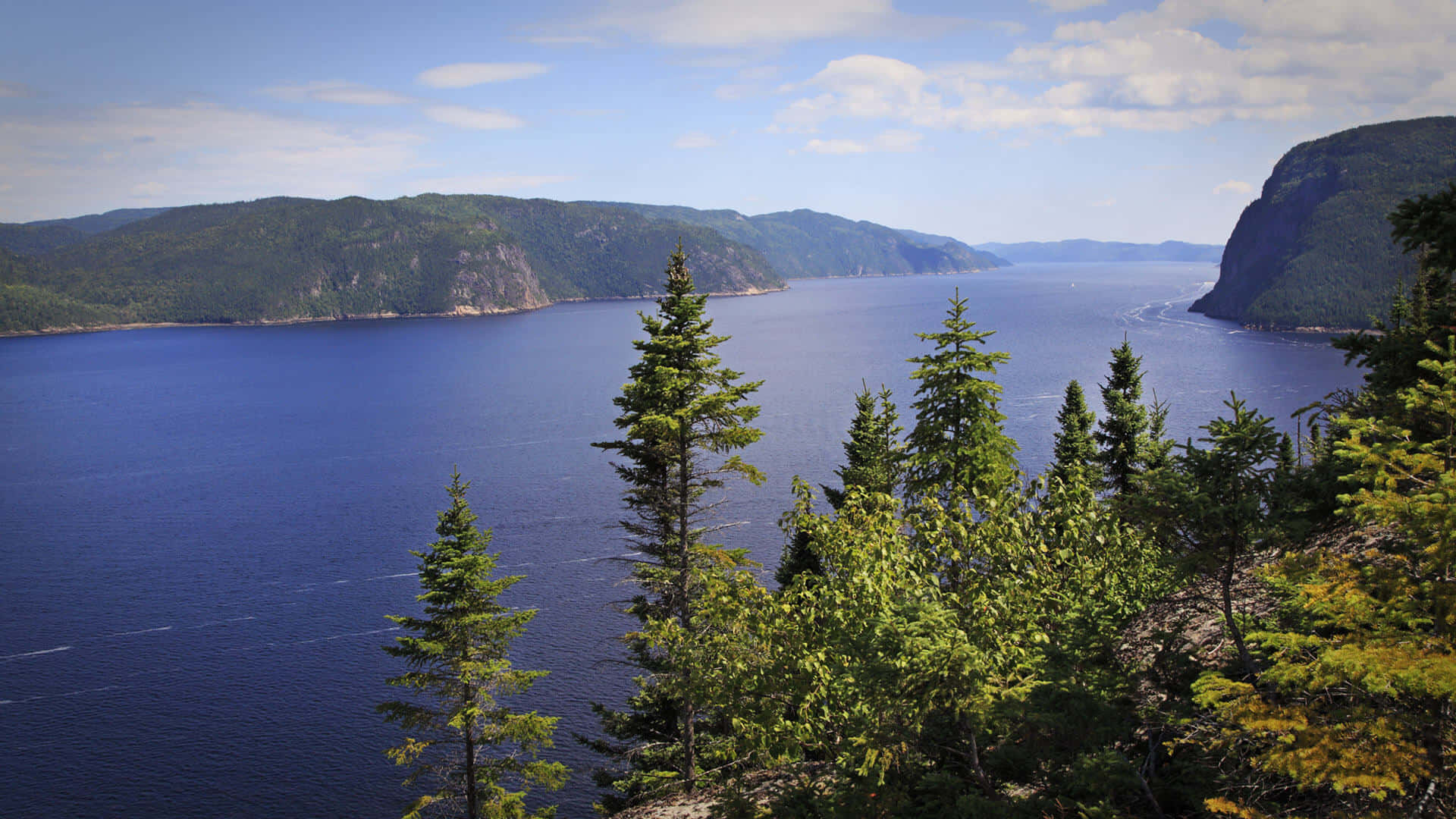
Saguenay Fjord
The fjord provides a unique geological landscape that can be observed from various viewpoints near the whale watching docks. It is a natural continuation of the marine ecosystem where the St. Lawrence and Saguenay rivers meet.
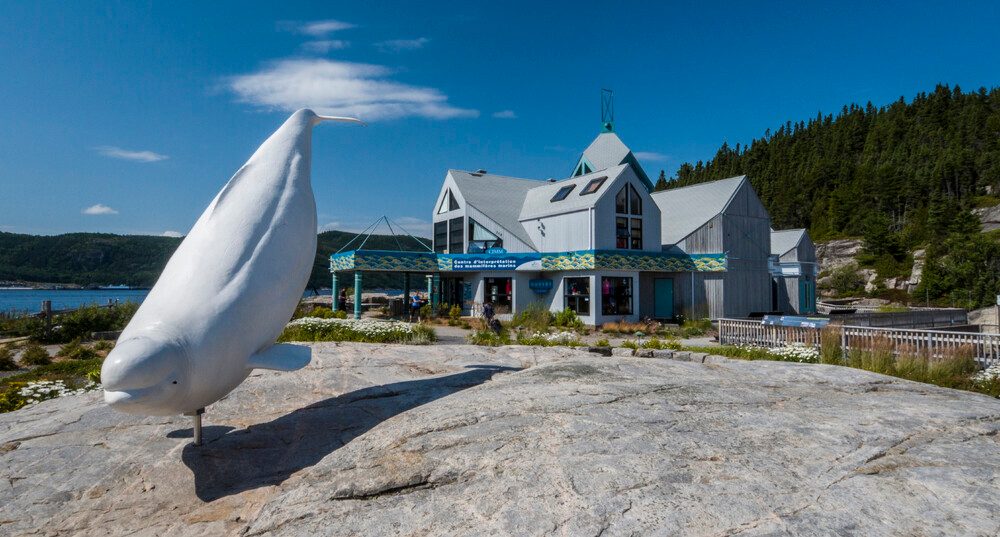
Marine Mammal Interpretation Centre
This center offers educational exhibits about the whale species found in the St. Lawrence River. Visiting here helps contextualize the marine life encountered during a cruise.
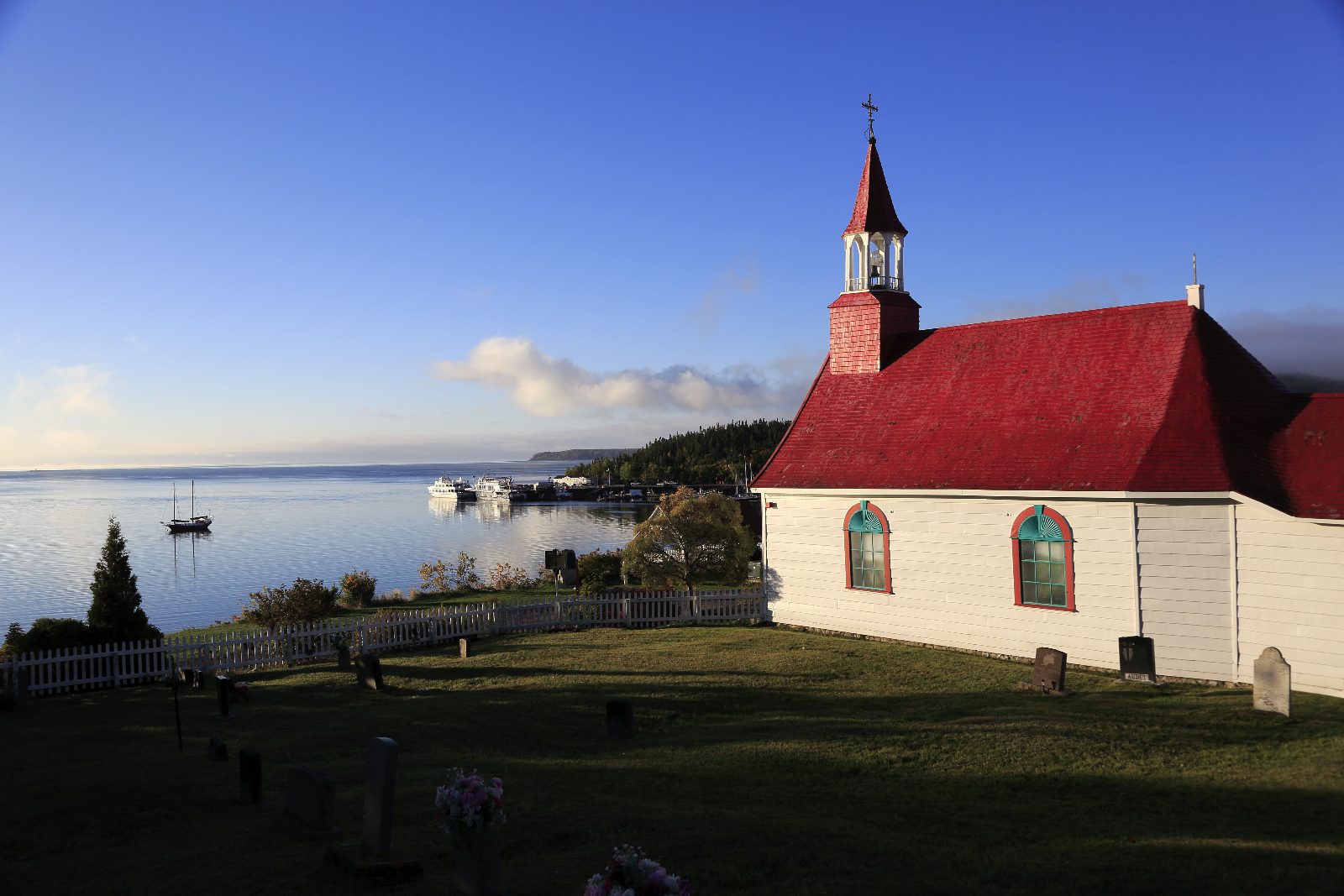
Petite Chapelle de Tadoussac
Known as the oldest wooden church in North America, this site offers a quiet historical perspective of the village. It provides a cultural contrast to the nature-focused activities of the day.
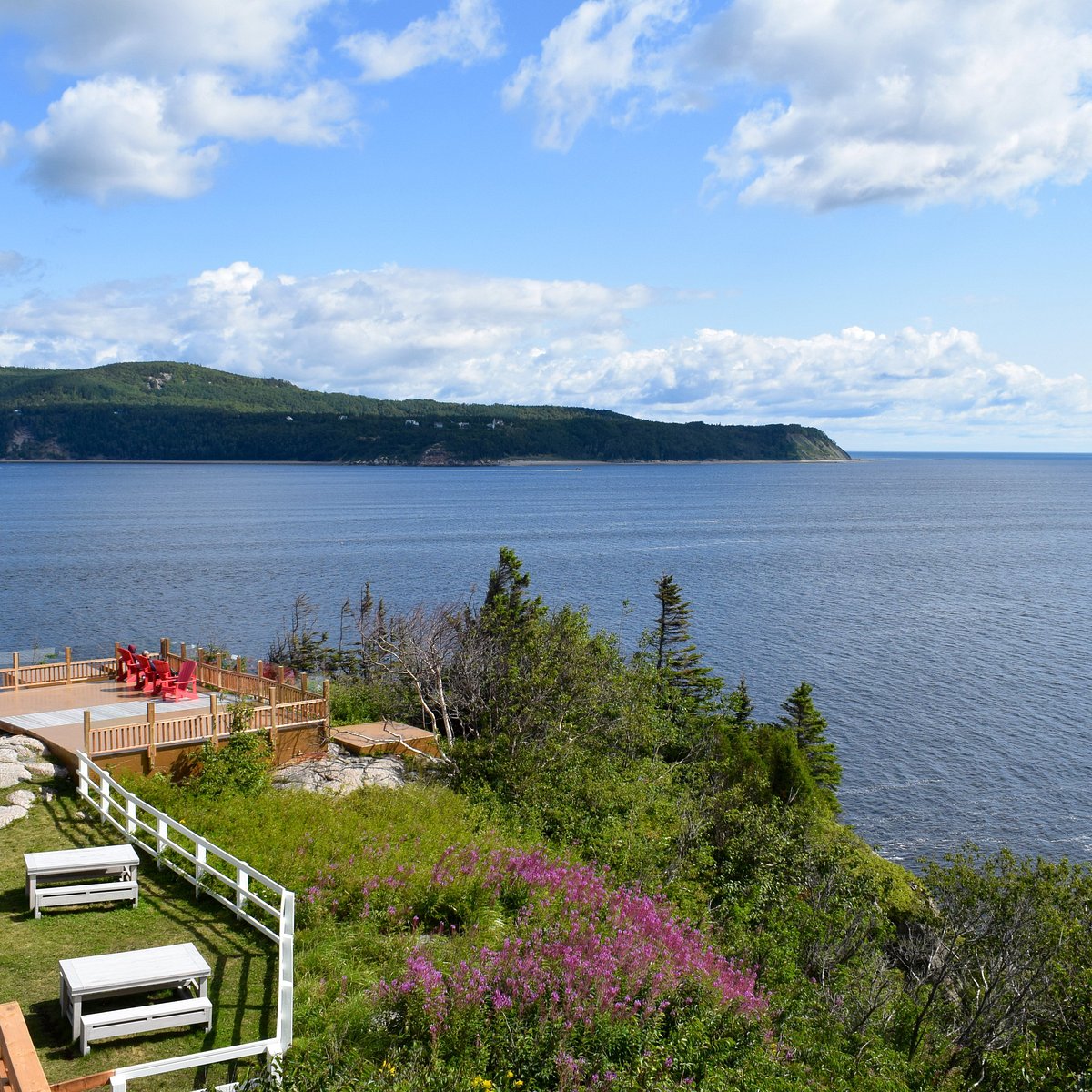
Pointe-Noire Interpretation and Observation Centre
Located across the bay, this site offers elevated views of the water and the confluence of the rivers. It serves as a secondary observation point for those interested in monitoring marine activity from the shore.
Check availability
Whale Watching Logistics: Frequently Asked Questions
Everything you need to know about how far is whale watching from quebec city